

When a rotating shaft finally scores its housing, engineers tend to blame the shaft. More often, the shaft is the expensive, precision-machined component, and the real failure happened quietly, much earlier, inside a cheap sleeve pressed into the bore. That sleeve is the bushing, and its entire reason to exist is to absorb the wear so the shaft does not have to. In a well-designed joint, the bushing is the part that gives up first and is replaced cheaply — a small, consumable liner standing between a costly spindle and a scrap housing.
A precision bushing is therefore best understood as a deliberate maintenance strategy. It converts a hard-to-machine housing bore into a replaceable wear surface, carries the sliding or rotating load of a shaft or pin, and can be swapped out in minutes during service instead of reboring a housing or scrapping an assembly. Beyond wear protection, a bushing also locates the shaft concentrically, takes up the clearance that appears after months of operation, and lets the designer tune the fit of the joint without touching any other component. The economic logic is unarguable: design the inexpensive part to wear, and the expensive parts — the shaft, the housing, the whole machine — stay in service.
What Are Precision Bushings?
A bushing is a plain bearing in its simplest form: a sleeve that sits between a moving shaft (or a pivot pin) and a stationary housing. Where a rolling-element bearing relies on balls or rollers, a bushing slides. One surface turns or oscillates against the other, on a film of grease, on a boundary layer of oil, or against a low-friction facing built into the liner itself.
The word "precision" describes how that sliding surface is manufactured rather than the geometry, which is unremarkable. Two interfaces define the quality of the part: the inside diameter, which must meet the shaft at a controlled clearance or interference; and the outside diameter, which must meet the housing bore without collapse, creep, or fretting. Wall thickness consistency matters as well, because a sleeve that collapses unevenly when pressed in will distort its own bore. A commercial bushing leaves these relationships to chance; a precision bushing controls them to a drawing, and the difference shows up in repeated service: a joint that still spins freely ten years in the field, or one that seized after the first season.
Common Types of Precision Bushings
Bushings are geometrically simple, yet each small shape change solves a different installation problem. Matching the shape to the mounting situation is usually faster and cheaper than arguing over materials.
Plain sleeve bushing. The straight tube with no features at all. It presses into a through bore and locates the shaft radially only. It is the default for housings with accessible ends, where nothing on the shaft needs to be stopped or pulled through.
Flanged bushing. A collar at one end acts as an integrated axial stop and a small thrust face, replacing a separate washer and preventing the sleeve from migrating into the bore during press-in. It is the common choice in cast or welded housings where the shoulder face is not machined.
Shoulder bushing. A larger outside step seats against the housing face and resists pull-out under axial load, so the bushing positions itself and the shaft simultaneously. Typical use is in pivoting levers, linkage points, and tooling where the joint must stay put despite shock in both directions.
Spherical / self-aligning bushing. The bore is ground to a spherical curvature, or the sleeve is a spherical plain bearing in miniature, so the shaft can tilt slightly without edge-loading the liner. This is reserved for joints where shaft and housing centers cannot stay perfectly aligned — mounted bores on long frames, trailing arms, and off-highway equipment that flexes.
Bronze vs steel-backed bushing. A solid bronze bushing is machined from cast bronze bar: conformable, tolerant of occasional lubrication starvation, and kind to soft shafts. A steel-backed bimetal bushing pairs a steel shell with a thin bronze or polymer overlay: stiffer, higher load capacity, and cheaper on material, at the cost of being less forgiving of dirt and poor lubrication.
Composite bushing. Wound or wrapped from fabric-reinforced resin with a dry-running facing, composite bushings run without grease, resist corrosion, and are favored in light-duty, food-contact, or maintenance-sensitive positions where a grease point cannot be reached. Our standard precision bushings range covers the sleeve, flange, and shoulder geometries above, produced to customer drawings rather than off-the-shelf sizes.
Material Selection
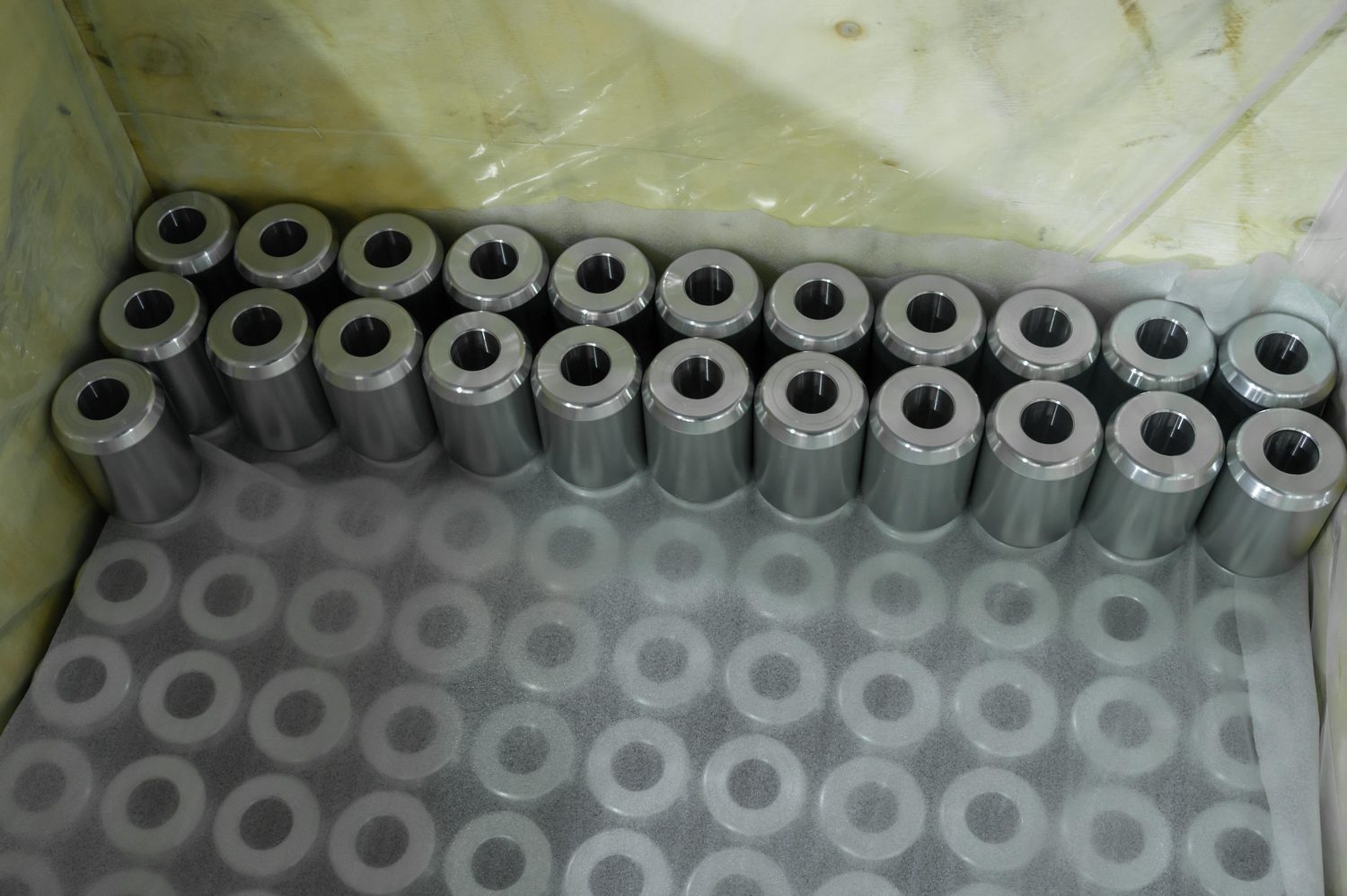
Choosing the material is where most bushing projects are decided, and the trade-offs are consistent across shops. Carbon steel is the economical baseline for general-purpose sleeves that run indoors, machine well, and accept plating; it will rust if left bare, so it almost always ships with a protective finish. Bearing-grade steel is specified when the bore must be ground to a tight, long-wearing fit against a hardened pin — the classic configuration for guide bushings and die pins. Bronze remains the default where lubrication is unreliable: it embeds small particles, tolerates occasional dry starts, and avoids galling against a softer shaft.
Stainless steel answers the corrosion question. Wherever the joint sees washdown, fertilizer, seawater-adjacent atmosphere, or outdoor agricultural equipment exposed to rain, the bushing should be stainless even if it means accepting lower bulk hardness. Alloy steel sits between carbon and bearing steel: chosen for larger-diameter sleeves that must harden evenly through the wall, and for joints that see repeated shock rather than steady load.
A useful rule of thumb passed down through design offices: never run two similarly hard surfaces against each other in a sliding pair. The shaft or pin should generally be the harder member, and the bushing the sacrificial one — because the bushing is the part you can change. When your pin is ground and hardened, as in our precision pins, the mating liner can be softer and still achieve a long life.
Heat Treatment and Hardness
Heat treatment is what turns a turned sleeve into a wear-resistant liner. Through-hardening raises the bulk hardness so the bore resists indentation and abrasive wear; case-hardening, by contrast, concentrates hardness where the sliding contact happens while leaving the inner core ductile, so an impact load bends the sleeve rather than snapping it. The choice follows duty: steady sliding load with abrasive dust favors a hard case, while impact-loaded pivots favor a tough core.
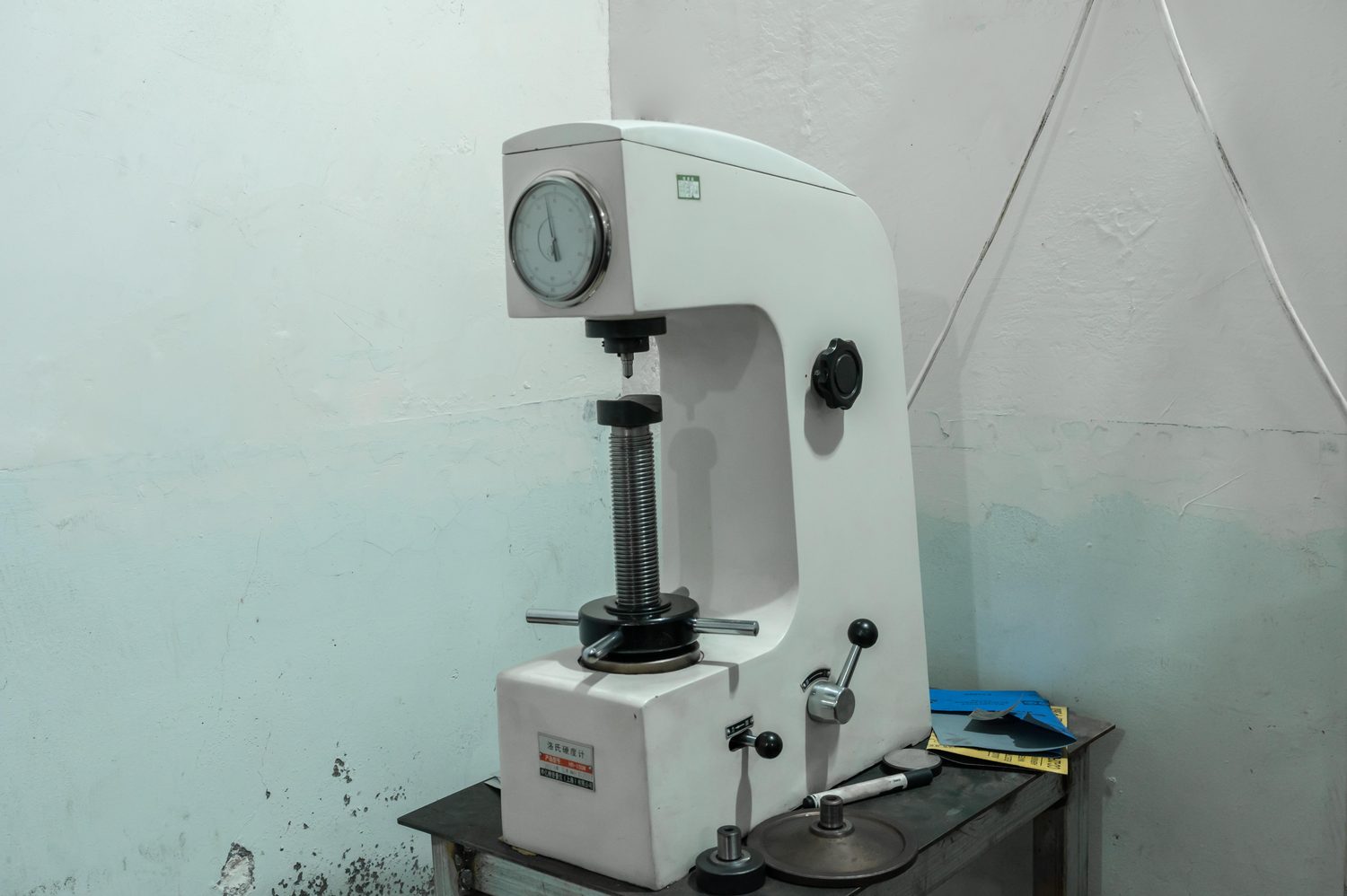
We do not apply a universal hardness number to bushing orders. Hardness, case depth, and the pairing with the mating pin are all decided per drawing, together with the customer's engineer, because the right value depends on load, surface speed, lubrication, and the material of the shaft it will run against. Hardness is verified on every batch with a dedicated bench instrument rather than assumed.
Tolerances and Fits
A bushing is unusual among machined parts because its two diameters have opposite fit logic. The outside diameter must be an interference fit with the housing: pressed in so the sleeve cannot spin or creep in its bore under load. The inside diameter must be a clearance — or, on very slow pivots, a light transition — fit with the shaft, so rotation or oscillation happens between those two surfaces, not between the sleeve and the housing.
One practical consequence trips up new buyers: pressing a bushing into a housing shrinks its bore by a predictable amount. That is why the bore is not finished at the press-in dimension. In precision work the sleeve is roughed, pressed in, and then finish-reamed, honed, or ground in its final assembled position, so the finished ID is the true running dimension regardless of press-in distortion. Surface roughness on the bore is controlled for the same reason: a too-smooth bore won't hold a grease film, while a too-rough one scrapes the shaft and eats lubricant. The exact tolerance bands and roughness targets, again, are set by the application, the lubrication method, and the drawing — we match your specifications rather than quoting a generic promise.
Surface Treatment
Most steel bushings leave the factory with more than a machined surface. Zinc plating offers common corrosion protection at low cost; black oxide gives a darker appearance and a base that holds oil; nickel plating improves both corrosion resistance and wear behavior on the bore's outer faces; phosphating — typically manganese phosphate — converts the surface into an oil-absorptive layer that dramatically improves break-in and dry-start protection. The choice depends on environment and on whether the finish may interfere with the press fit, since plating thickness stacks onto the interference dimension and must be compensated in the OD dimension before finishing.
Manufacturing Flow
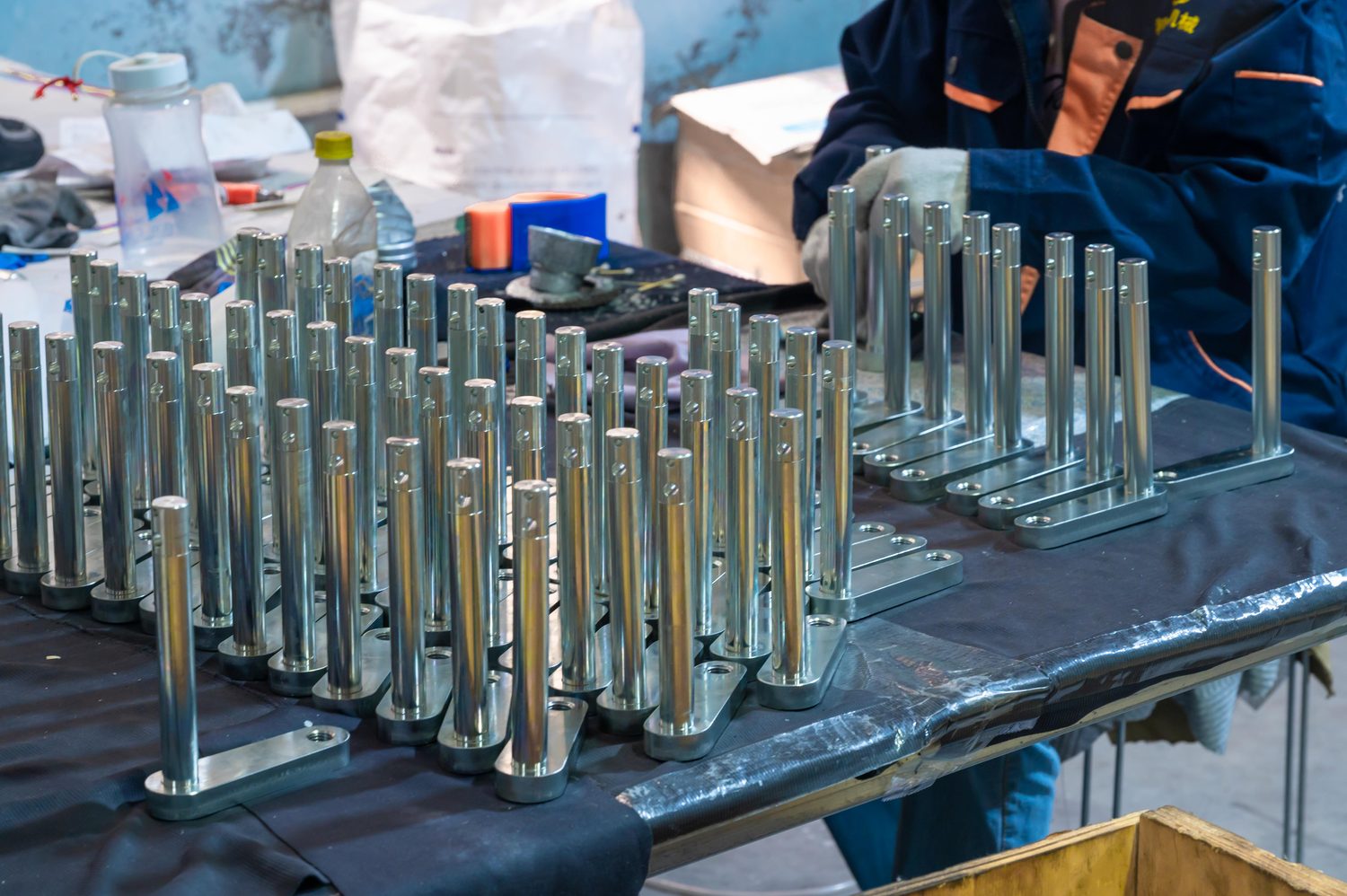
A typical precision bushing order runs a short, controlled chain. It starts with CNC turning from bar, tube, or cast bronze, where the sleeve is roughed to near-final geometry. The bore is then opened by boring or reaming to leave stock for finishing. Honing or internal grinding brings the bore to its final diameter, roundness, and surface condition. Plating or other surface treatment follows, with the finish dimensions compensated so the plated part still meets the drawing. The chain closes on the inspection bench, where every batch is verified against the drawing before packing.
Inspection and Quality Control
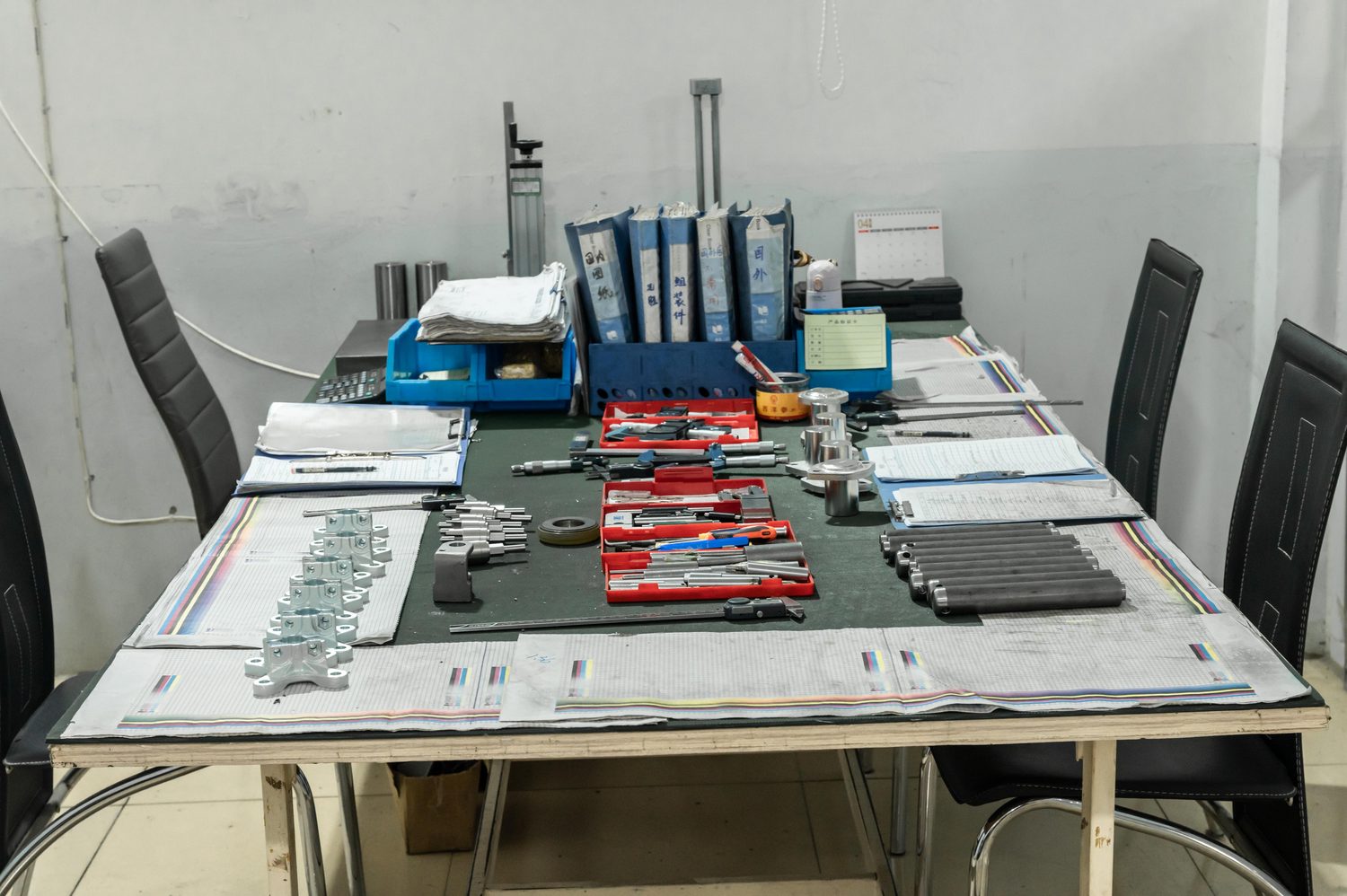
Verification on this kind of part is straightforward and instrument-based rather than opinion-based. Dimensional checks run on a coordinate measuring machine for geometry and on dedicated gauges, calipers, and micrometers for diameter, length, and wall dimensions; hardness is confirmed with a bench hardness tester; surface appearance and plating coverage are inspected visually under standard lighting. Incoming, in-process, and outgoing checks are kept separate, so a batch that drifts on a tolerance is caught at the operation that caused it, not at the customer's assembly line.
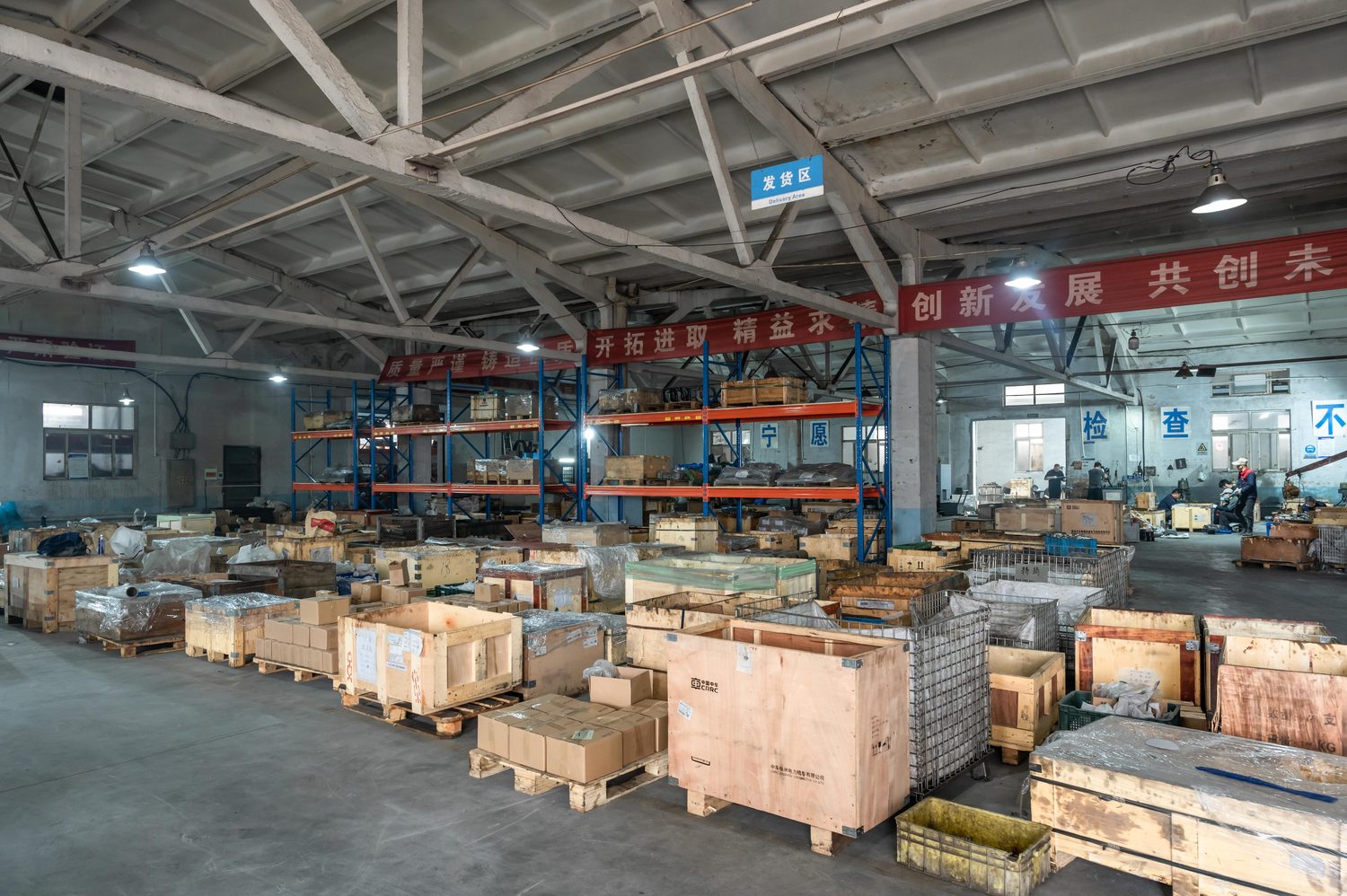
This discipline comes from our workshop in Jimo, Qingdao. Qingdao Jinglitong has manufactured precision metal parts since July 2014, staffed by around 85 people across two standard workshops on a 50-acre site, operating 58 machines including 40 CNC units and a coordinate measuring machine. Our parts are exported to customers in Europe and the United States, serving agricultural machinery, engineering machinery, valves, petroleum, chemical, and similar industries, and our company credit is rated AAA by BCC under GB/T 23794-2023.
Sizing Checklist for Your Drawing
Before sending a bushing inquiry, pin down five parameters; they decide material, heat treatment, and finish faster than any sample drawing:
Load: magnitude, direction, and whether the joint sees steady load, cycles, or shock spikes.
Speed: surface speed of the shaft, and whether it rotates continuously, oscillates, or sits still until a maintenance move.
Lubrication: grease, oil, oil-impregnated material, or dry running — and how often relubrication is realistic in service.
Temperature: continuous operating temperature, which limits polymer overlays and dictates grease choice.
Fit conditions: housing material and its bore tolerance, shaft material and finish, and whether the bushing must be replaced in the field.
If your geometry sits near our existing tooling, the savings show up immediately. For example, a shoulder bushing built for linkage pivots and a flanged sleeve bushing for general load points already reflect how these five parameters usually resolve in production. And because most pivot joints are a matched pair, it is worth reading our companion piece, our precision pins guide, which covers the shaft side of the same bearing.
Custom Sourcing with Jinglitong
We produce precision bushings to your drawing — in sleeve, flanged, shoulder, or self-aligning geometries, in carbon steel, alloy steel, bearing steel, stainless, or bronze — from prototype quantities through repeat batch orders, with CMM-verified inspection records following each shipment. Whether you are replacing an imported brand, tooling up a new machine, or resourcing a worn-out liner line, the fastest path is a drawing and a short conversation about duty conditions. Contact us for a custom bushing quote and our engineering team will reply with material and fit recommendations before any cutting starts.
